
A Texas roof needs a look twice a year and again after every hailstorm or high-wind event. Spring and fall are the standard checkpoints, and summer is when heat damage shows up. Catching a lifted shingle or a dried-out seal early costs a fraction of what a leak costs once water reaches the decking. We handle roof repairs, replacements, storm damage and insurance claim guidance for homeowners across Central Texas, so this guide covers what to watch, what to leave to a professional and when a repair stops making sense.
TL;DR
- Inspect your roof at least twice a year, in spring and fall, and again after hail, tornadoes or other severe weather, per the National Roofing Contractors Association (NRCA).
- From the ground, look for missing or damaged shingles, debris, clogged gutters, overhanging limbs and loose chimney bricks.
- Summer heat, UV and poor attic ventilation age asphalt shingles faster. Curling, cracking and bald spots are the warning signs.
- Stay off the roof. Repairs are best done promptly by an experienced, insured contractor.
- After a storm, document the damage, get written estimates and understand your insurance claim before you sign anything.
Table of Contents
- What Texas weather does to a roof
- A year-round maintenance calendar
- Summer roof maintenance in Texas
- The ground-level check you can do safely
- Signs it is time to call a roofer
- Maintenance, insurance and your policy
- After a storm: protect your claim and your roof
- Repair or replace? A quick way to decide
- Our view: maintenance is the cheapest roof you will ever buy
- Get your roof looked at
- FAQ
- Sources
What Texas weather does to a roof
Texas puts a roof through more than one kind of stress. The Roofing Contractors Association of Texas (RCAT) lists the main roof-life killers: hail that bruises or punctures shingles and damages flashing, intense UV that ages asphalt, wind and flying debris, humidity combined with poor ventilation in Central and East Texas, and poor installation.
The Texas Department of Insurance (TDI) says Texas has two of the most severe conditions a roof can face, high winds and hail. Roofing products tested to ASTM D3161 at 110 mph wind resistance or higher, and UL 2218 Class 4 for impact, are what it points homeowners toward.
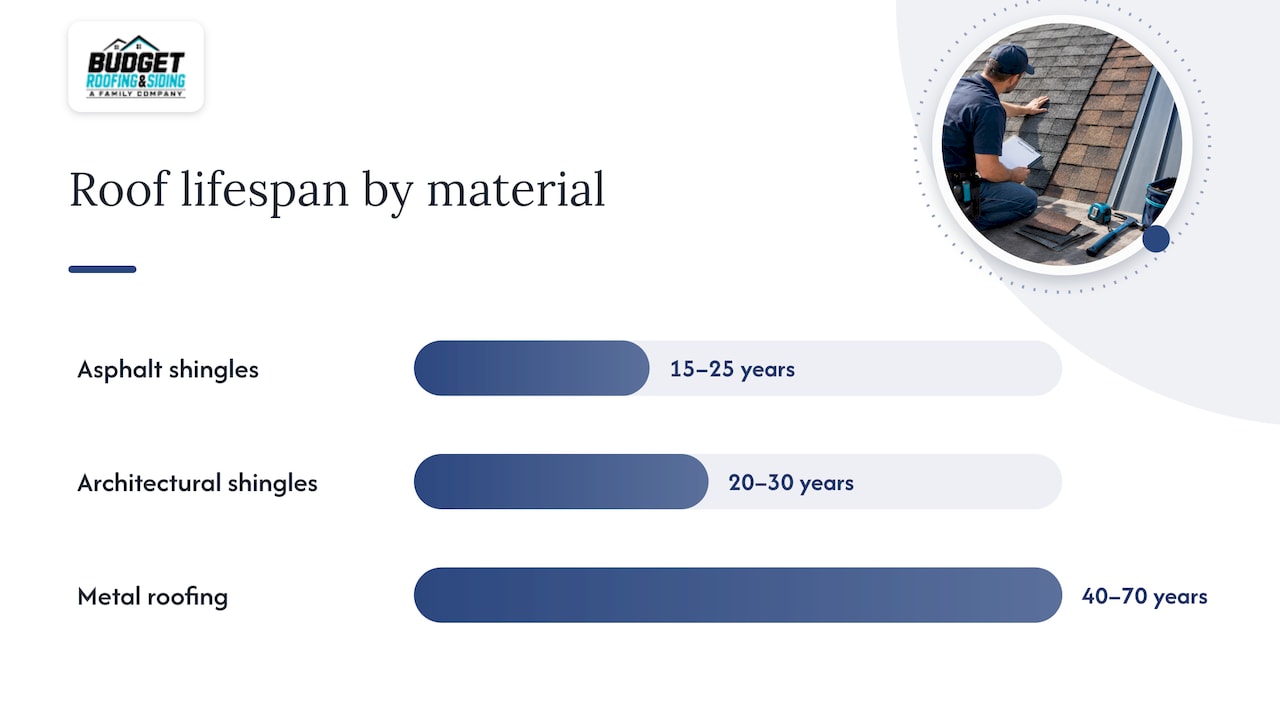
Material matters too. RCAT's figures put asphalt shingles at 15 to 25 years, architectural shingles at 20 to 30 and metal at 40 to 70. If you are not sure where your roof sits in that range, our guide to how long asphalt shingles last in Texas is a good place to start.
A year-round maintenance calendar
The NRCA's homeowner guidance asks for scheduled inspections at least twice a year, in spring and fall. It adds inspections after hailstorms or hurricanes, before and after any roof work, and after nearby fires. In Texas, a practical calendar looks like this.
| Season | What to do | Why it matters |
|---|---|---|
| Early spring | Ground-level look for shingle damage left by winter and spring storms. Trim limbs touching the roof. Clear gutters. | Spring is peak hail season, and small damage grows into leaks. |
| Early summer | Check the attic for heat, stale air and daylight. Look for curling or cracked shingles from the driveway. | Surface temperatures climb, and trapped attic heat bakes the roof from beneath. |
| Late summer | Check for granules in the gutters and downspouts. Look at sealant around vents and flashing. | UV wears the shingle surface and dries out sealants. |
| Fall | Clear leaves and debris. Check the chimney, flashing and valleys. Book any repairs before winter. | Fall is the second NRCA checkpoint and sets the roof up for storms and cold snaps. |
| After any storm | Look for missing shingles, dents on vents and gutters, and fresh stains on ceilings. | Insurance claims depend on prompt documentation. |
Summer roof maintenance in Texas
Summer is hard on a roof even without a storm. Shingles, membranes and sealants age faster under extreme UV exposure, and humidity with poor ventilation adds to the wear in Central and East Texas.
What to look for in the summer months:
- Curling or buckling shingles. Edges lift or the middle of the shingle bows.
- Cracked or brittle shingles. They snap or crumble rather than flexing.
- Bald spots. Granules have worn off and exposed the asphalt. A pile of grit at the downspout is a clue.
- Dried or peeling sealant around vents, pipes and flashing.
- A hot, stuffy attic. This often points to ventilation that is not keeping up. TDI recommends one square foot of net ventilation per 150 square feet of attic floor space. Our post on attic ventilation in Texas explains how it works.
Summer is also a workable season for repairs and replacements, especially after spring hail. Booking early gives you a say in scheduling before storm-season demand fills calendars.
The ground-level check you can do safely
You do not need a ladder. The NRCA does not recommend that homeowners or inexperienced people walk on roofs or attempt repairs without the experience and equipment. Walk the property with binoculars and check:
- Shingles. Look for missing pieces, lifted tabs, cracks, dark streaks of exposed asphalt and dents.
- Flashing. Metal around chimneys, vents and walls should lie flat, with no gaps or rust.
- Gutters and downspouts. Keeping them clean is part of TDI's advice, and so is removing tree limbs hanging over or near the roof.
- Chimney. TDI also suggests checking for loose bricks.
- Ceilings and attic. Brown stains, damp insulation or daylight through the decking mean water or air is getting in.
- Soffit and fascia. Peeling paint, soft wood or gaps let moisture and pests in. We repair these as part of our siding services.
We built a printable version of this routine, the roof inspection checklist with five ground checks.
Signs it is time to call a roofer
Call a roofer, rather than waiting for the next seasonal check, when you see any of these:
- Shingles missing, creased or lifted after wind
- Hail dents on vents, gutters or metal, which often travel with shingle bruising
- Water stains on a ceiling or in the attic
- Sagging in any section of the roof line
- Granule loss across large areas
- A roof past 20 years old with visible wear. RCAT says that is the point to consider replacement.
What a roof inspection costs depends on roof size, pitch, material, how complex the roofline is and how far the inspector travels. We offer inspections and free estimates for homeowners in Central Texas, so you can find out where your roof stands without a surprise bill.
If the damage is from wind, our guide to wind damage to a roof covers the signs, repairs and insurance angle. If a storm has just passed, the 24 to 48 hour storm damage checklist lays out what to do first.
Maintenance, insurance and your policy
Your roof's condition affects your coverage. TDI notes that insurers inspect roofs when you apply for a policy and may charge more or decline coverage based on condition. It also recommends hiring a roof inspector every few years.
Warranties work the same way. The NRCA's Mark Graham points out that long-term manufacturer warranties often limit liability and require that the roof be properly maintained. Keeping a dated record of inspections, repairs and photos protects you with both your insurer and the manufacturer.
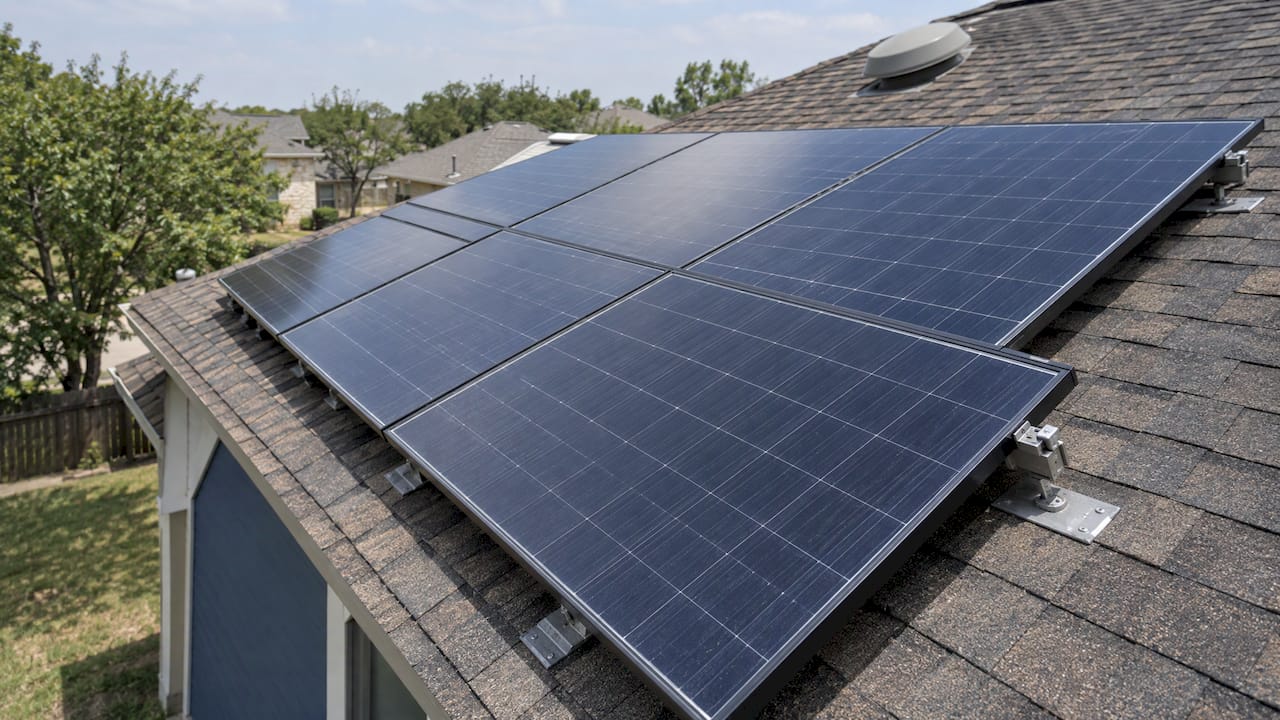
Solar panels and satellite dishes need care too. The NRCA warns that equipment added to a roof is often connected incorrectly, which can damage the roof system or void the warranty, so have a roofing professional involved before anything is mounted.
After a storm: protect your claim and your roof
Hail and wind season often means an insurance claim. A few habits keep it on track:
- Photograph damage from the ground before anything is moved or covered.
- Make temporary protection only if needed, and keep receipts.
- Call your insurer and get written estimates for the repair.
- Be wary of door-to-door sales. TDI advises homeowners to avoid door-to-door solicitors, verify a contractor's name, address, phone and references, confirm insurance or a bond, get at least three written bids and withhold final payment until the work is finished.
- Keep signed copies of every agreement and warranty.
Coastal homeowners have an extra step. The same TDI guide says homes in the first tier of Texas counties along the Gulf, and some Harris County cities east of Highway 146, may need code-compliant repairs and a TDI Certificate of Compliance (Form WPI-8). For a deeper look at the rules, see our post on the Texas roofing code. To recognize bad actors, read about storm chaser roofing scams. Getting ready before the season helps too: our storm prep checklist covers that.
Repair or replace? A quick way to decide
Age and damage decide it. A newer roof with isolated damage is usually a repair. A roof near the end of its range, with widespread curling, granule loss or repeated leaks, is usually better replaced than patched again and again.
Material choice is the other lever. RCAT says the right roof depends on regional risk: impact-resistant products where hail is common, and wind and moisture protection near the Gulf. Some areas reward more durable roofs with insurance discounts. If you are weighing asphalt against metal, see our comparison of asphalt vs metal roofing in Central Texas and the metal roof lifespan guide.
Whatever you decide, get more than one estimate. RCAT recommends at least two local estimates from insured, vetted contractors, and we encourage it as well.
Our view: maintenance is the cheapest roof you will ever buy
We tell homeowners the same thing every season: do not wait for a leak to find out what shape your roof is in. Texas weather works on a roof a little at a time, and the homeowners who do best are the ones who look early, fix small problems and keep a record.
We built our work around Central Texas homes. That means repairs and full replacements in asphalt shingles and metal, James Hardie siding, and fascia and soffit repair, all matched to the weather your house actually faces.
It also means helping you through the insurance side. After a storm, the claim can be as stressful as the damage. We offer guidance on insurance claims so you know your options before you commit, and our Best Price Guarantee is there so you know you are getting good value. We still tell you to collect several estimates, because an informed homeowner is the customer we want.
Dan
Get your roof looked at
If your roof is aging, took a hit this season or you just want to know where it stands, we offer inspections and free estimates for homeowners across Central Texas. We cover repairs, replacements, storm damage and insurance claim guidance, backed by our Best Price Guarantee. See our roofing services or how we help with insurance claims.

You can also browse our roofing and siding gallery to see finished work.
FAQ
How often should I have my roof inspected in Texas?
At least twice a year, in spring and fall, and after any hailstorm or severe wind, according to the NRCA. TDI also suggests having a roof inspector look at the roof every few years.
What is the best roof type for Texas?
It depends on your area's main risk. Hail-prone regions benefit from impact-resistant roofing, and the Gulf Coast needs wind and moisture protection, says RCAT. Asphalt shingles are the most common choice, and metal lasts longest.
Can I fix small roof problems myself?
Gutter cleaning and trimming back limbs are normal upkeep. Walking the roof and making repairs is a different matter: the NRCA advises against it without experience and proper equipment. We can handle repairs promptly and safely.
What should I do about summer roof damage?
Look for curling, cracking and bald shingles, and dried sealant. Check that your attic is ventilated. If you see these signs, schedule an inspection and get an estimate before the next storm season.
Sources
- NRCA Tech Today, Professional Roofing (October 2013)
- NRCA homeowner guide for asphalt shingle roof systems (November 2020)
- Texas Department of Insurance: Insurance and your roof
- Texas Department of Insurance: Repairing My Roof after a Storm
- Texas Department of Insurance: Questions to Ask Your Contractor Before Roofing
- Roofing Contractors Association of Texas: roof lifespan killers (September 2025)
- Roofing Contractors Association of Texas: roofing materials for Texas